What should a written contractor estimate include in the USA?
Learn what elements must be included in a detailed US written contractor estimate, including scope of work, material line items, permits, and state compliance.
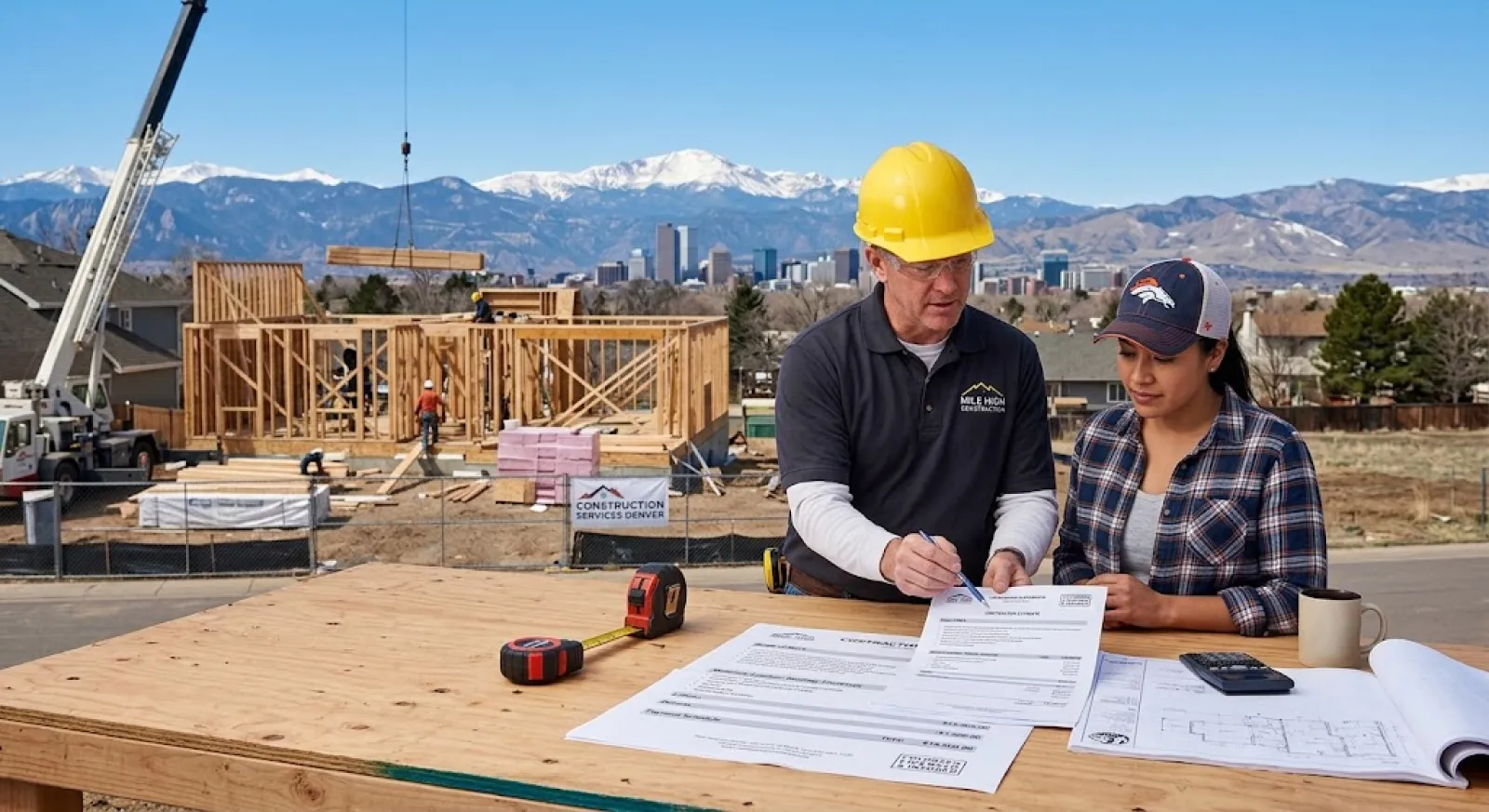
Requesting a project proposal from a contractor in USA home improvement or commercial construction markets is a pivotal step for any property owner. Whether you are remodeling a kitchen in suburban Ohio, repairing a roof after a storm in Florida, or adding an extension to a property in California, receiving a detailed, transparent, and accurate written estimate is essential to protecting your financial investment.
A vague quote written on the back of a business card or delivered via a casual text message offers zero legal protection and leaves significant room for miscommunication, budget overruns, and inferior workmanship. Across the United States, professional contractor estimates serve as the baseline for consumer protection, project planning, and contractual obligations. Understanding what a thorough written contractor estimate must contain helps homeowners, landlords, and commercial real estate managers evaluate bids effectively and avoid costly construction disputes.
Essential Elements of a Valid US Contractor Estimate
A complete written contractor estimate is much more than a single price tag attached to a project outline. It is an itemized breakdown of labor, materials, municipal fees, timelines, and legal disclosures tailored to the regulations of the municipality where the work occurs.
A. Business Identification and Professional Licensing Information
Before evaluating costs, verify who is providing the estimate. A legitimate US contractor estimate must prominently display:
-
Official Business Name & Legal Entity: The full legal name of the business (e.g., LLC, Inc., or sole proprietorship) alongside any registered DBA ("Doing Business As") names.
-
Physical Business Address: A physical street address for the contractor's headquarters or local shop. A P.O. Box alone is a red flag.
-
Direct Contact Information: Office phone number, mobile number, professional email address, and official website URL.
-
State Professional License Number: In states requiring state-level licensing (such as California, Florida, Arizona, Nevada, and Oregon), the estimate must display the contractor's active license number. Consumers can verify this number directly on state licensing portal databases, such as the California Contractors State License Board (CSLB) or the Florida Department of Business and Professional Regulation (DBPR).
-
Tax Identification Number (EIN): Often included on formal project estimates, or provided upon request for verification purposes.
B. Detailed Scope of Work (SOW)
The Scope of Work is the heart of any construction estimate in USA residential and commercial remodeling projects. It describes precisely what tasks the contractor will perform and, equally importantly, what tasks are explicitly excluded.
A proper Scope of Work includes:
-
Demolition and Site Preparation: Details on tear-out, structural clearing, protection of surrounding property (e.g., floor coverings, dust barriers), and site remediation.
-
Architectural and Structural Specifics: Clear mentions of structural changes, wall removals, framing specifications, or foundation modifications.
-
Trade-Specific Tasks: Explicit descriptions of electrical, plumbing, HVAC, masonry, dry-walling, painting, and finishing labor.
-
Explicit Exclusions: Clear language stating what the contractor is not providing (e.g., "Landscaping restoration following exterior excavation is not included in this scope").
Line-Item Cost Breakdown: Materials, Labor, and Fees
A thorough estimate separates expenses into clear categories rather than listing a single lump sum. This line-item transparency allows property owners to understand where every dollar goes and provides a basis for comparison when evaluating multiple contractors.
| Cost Component | What Should Be Detailed in the Estimate | Key Consumer Consideration |
|
Materials & Supplies |
Brand names, model numbers, dimensions, colors, grade/quality of lumber, roofing shingles, plumbing fixtures, or tile. |
Ensures you are paying for high-grade products rather than builder-grade substitutions. |
|
Labor Costs |
Estimated labor hours or task-based labor pricing broken down by trade (framing, electrical, finishing). |
Clarifies whether specialty sub-contractors (e.g., master electricians, licensed plumbers) are utilized. |
|
Equipment & Machinery Rentals |
Charges for specialized equipment such as dumpsters, scaffolding, cranes, concrete pumps, or excavators. |
Prevents unexpected surcharge line items on final invoices. |
|
Permits & Municipal Fees |
Local city/county building permit costs, inspection fees, and plan review expenses. |
Confirms whether the contractor or property owner is responsible for pulling permits. |
|
Waste Removal & Disposal |
Hauling fees, landfill tipping fees, hazardous material handling (e.g., lead or asbestos mitigation). |
Avoids trash or debris being left on your property post-construction. |
Project Schedule and Completion Milestones
Timeframes are critical in construction projects. A professional written estimate clearly outlines project schedules, dependancies, and estimated completion windows.
-
Anticipated Start Date: The estimated calendar date work will commence, contingent on permit issuance and material deliveries.
-
Project Duration / Substantial Completion Date: The estimated number of working days or target date when the space becomes usable for its intended purpose.
-
Milestone Breakdown: Specific targets for key stages (e.g., demolition complete by Week 1, rough plumbing and electrical inspections passed by Week 3, drywall installed by Week 4, final trim and paint by Week 6).
-
Weather and Supply Chain Allowances: Clear language detailing how severe weather conditions, seasonal freezes, or national supply shortages impact the projected timeline.
Payment Terms, Schedules, and Down Payment Limits
A legitimate contractor estimate outlines proposed payment structures. In the United States, consumer protection laws strictly regulate how much money a contractor can collect before work begins.
State Down Payment Limits
State regulations vary significantly regarding upfront deposits:
-
California: Under California Business and Professions Code Section 7159, down payments for home improvement projects cannot exceed 10% of the total contract price or $1,000, whichever is less.
-
Pennsylvania: Down payments are generally capped at one-third of the total contract price plus the cost of special-order materials.
-
Other States: Many states prohibit requesting 100% upfront or collecting more than 33% to 50% prior to material delivery and project initiation.
Recommended Milestone Payment Structure
For mid-size to large renovations, payments should always align with verifiable progress milestones:
-
Initial Deposit: 10% to 30% upon signing contract and ordering custom materials.
-
Rough-In Progress Payment: Paid only after framing, plumbing, and electrical rough-ins pass official municipal inspections.
-
Drywall / Trim Progress Payment: Paid upon completion of major interior or exterior structures.
-
Final Substantial Completion: Paid when work is finished according to specifications.
-
Final Retention (10%): Paid only after the final municipal inspection pass certificate is issued, a punch list is completed, and mechanics lien waivers are signed.
Insurance, Bonding, and Legal Compliance Disclosures
Proper insurance protects property owners from financial liability in the event of job-site accidents or property damage. A written estimate must provide evidence of compliance with state and local laws.
A. Proof of Insurance
-
General Liability Insurance: Protects your property against accidental damage (e.g., a burst pipe flooding your floor during a bathroom remodel). Estimates should note coverage limits (typically $1,000,000 to $2,000,000 per occurrence).
-
Workers' Compensation Insurance: Mandatory in almost every state for businesses with employees (regulated by state agencies like the New York State Workers' Compensation Board or the Texas Department of Insurance). If an uninsured worker is injured on your property, your homeowner insurance policy could face major claims.
B. Surety Bonds
A construction surety bond guarantees that the contractor will fulfill contractual obligations and pay subcontractors and material suppliers. Licensing boards in states such as Washington, Oregon, and California require contractors to maintain state-mandated surety bonds.
C. Mechanics Lien Disclosures
Many states require contractors to include formal notices regarding mechanics liens directly on estimates and contracts. A mechanics lien allows unpaid subcontractors or material suppliers to place a legal claim against your property even if you paid the primary general contractor in full. A professional estimate clarifies that progress payments will be paired with Lien Waiver forms upon payment.
Permits, Zoning, and Local Code Compliance
Unpermitted work can result in municipal fines, mandatory teardowns, and severe complications when selling or refinancing a home. A transparent estimate specifies who handles permitting and local building department interactions.
-
Permit Acquisition Responsibility: The estimate should clearly state that the contractor—not the homeowner—will pull necessary building, electrical, plumbing, and mechanical permits from the local city or county building department (such as the Department of Buildings in New York City or the Department of Building and Safety in Los Angeles).
-
Code Compliance Warranties: Statement that all completed work will comply with national model codes adopted locally, such as the International Residential Code (IRC) or International Building Code (IBC), as well as local energy efficiency standards (e.g., California Title 24).
-
Historic District or HOA Approvals: If your property is governed by a Homeowners Association (HOA) or sits in a designated historic district, the estimate should note any required architectural review board approvals.
Change Orders, Warranties, and Estimate Validity
A. Change Order Procedures
Construction often reveals unforeseen structural issues, hidden water damage, outdated wiring, or termite damage once walls are opened. A written estimate should outline the protocol for handling changes:
-
All scope changes must be documented in a written Change Order.
-
The Change Order must specify the additional cost (or credit) and any timeline adjustment.
-
No additional work should proceed without written approval from the property owner.
B. Warranties and Workmanship Guarantees
The estimate must state warranty terms clearly:
-
Workmanship Warranty: Covers defects in labor, typically ranging from 1 year to 5 years.
-
Manufacturer Warranties: Covers products (e.g., 30-year shingle warranties, lifetime window frame warranties). The estimate should clarify that manufacturer documentation will be handed over upon project completion.
C. Estimate Expiration Date
Because raw material costs (lumber, copper, steel, roofing material) fluctuate due to market conditions and supply chain dynamics, written estimates must contain an expiration date—typically 30 to 60 days from the date of issue.
Estimate vs. Quote vs. Bid vs. Proposal: Knowing the Differences
Understanding standard US construction industry definitions prevents misunderstandings during negotiations:
-
Estimate: An initial, non-binding calculation of anticipated costs based on current material prices and visual inspections.
-
Quote: A fixed-price commitment from a contractor to complete a specified job for an exact dollar amount within a given timeframe.
-
Bid: A formal financial submission provided during a competitive bidding process, common for commercial or large residential projects.
-
Proposal: A comprehensive presentation that combines the scope of work, design ideas, material selections, timelines, and pricing structure into a binding contract upon signature.
Red Flags to Watch Out For in a Contractor Estimate
When reviewing proposals from local construction trades, be cautious of the following warning signs:
-
Lump-Sum Pricing Without Detail: Estimates that list a single dollar amount without breaking down labor, materials, permits, or scope.
-
Requests for Full Payment Upfront: Demanding 50% or more as a cash deposit prior to delivery of materials or permit issuance.
-
Unwillingness to Provide License or Insurance Numbers: Contractors who refuse to supply their state license number or Certificate of Insurance (COI).
-
Absence of Written Guarantees: Oral promises regarding warranties or timelines that are omitted from the written document.
-
Pressure Tactics: Demanding immediate signatures or offering steep discounts if you sign the same day, preventing you from seeking competing bids.
-
Failure to Mention Permits: Suggesting that work be performed without municipal permits to "save money and time."
Consumer Checklist for Reviewing a Written Contractor Estimate
Use this quick checklist to evaluate every contractor estimate before signing a binding agreement:
-
Contractor Details: Does the document list a physical address, legal business name, phone number, and active state license number?
-
Itemized Scope: Are labor, materials, permits, demolition, and disposal listed as separate line items?
-
Material Specifications: Are exact brands, model numbers, dimensions, colors, and grades included?
-
Permit Clarification: Is it explicitly stated that the contractor is responsible for pulling all required local building permits?
-
Project Timeline: Are start dates, phase milestones, and target completion dates specified?
-
Payment Schedule: Is the payment schedule tied to inspected milestones, with down payment caps obeying state laws?
-
Insurance Verification: Has the contractor provided a Certificate of Insurance showing active General Liability and Workers' Compensation coverage?
-
Change Order Protocol: Does the document explain how unforeseen issues or project alterations will be handled in writing?
-
Lien Waivers: Is there a provision requiring lien waivers prior to issuing progress payments?
-
Expiration Date: Is the estimate clearly dated with an expiration window (e.g., valid for 30 days)?
Find Local General Contractor Services and US Information on USLocaly
Navigating home improvement projects, commercial property renovations, or specialized trade repairs requires working with qualified professionals in your area. USLocaly provides a comprehensive online business directory designed to connect property owners with service providers across major metropolitan areas and local communities throughout the United States.
Whether you need to compare local project scopes, locate specialized tradespeople, or research service options in your city, exploring the USLocaly Categories allows you to browse businesses serving your regional area. From general construction and roofing to electrical, plumbing, and HVAC solutions, access structured business listings to assist in your local service research.